
Key Highlights
- The aerospace sector requires machining that can handle extreme temperatures and pressures.
- Telecommunications infrastructure depends on highly accurate components for stable signal transmission.
- The energy industry uses precision parts to ensure the safety and efficiency of power generation.
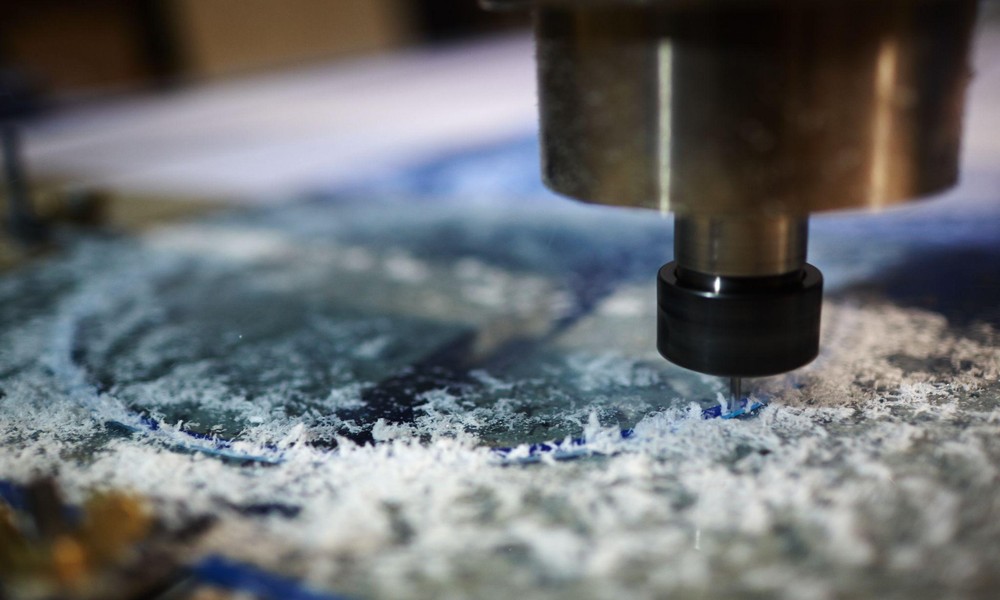
- Modern manufacturing relies on the versatile CNC milling machine to create complex geometries.
Introduction
The difference between a successful product and a catastrophic failure often comes down to a fraction of a millimetre. Fortunately, as technology becomes more sophisticated, the components that power our world must become more accurate and durable. This instance is where advanced precision machining plays a vital role. By using computer-controlled tools to remove material from a workpiece, manufacturers can create parts with incredibly tight tolerances and complex shapes that were once thought impossible. From the engines that fly us across the world to the devices that connect us digitally, the impact of this technology is felt everywhere. Understanding which industries rely most heavily on these processes reveals the sheer importance of accuracy in our everyday lives.
1. The Aerospace and Defence Sector
The aerospace industry is perhaps the most demanding user of precision technology. Every component on an aircraft, from the turbine blades in the engine to the fasteners on the fuselage, must perform perfectly under extreme stress. Safety is the primary concern, and even the smallest deviation in a part’s dimensions can lead to mechanical failure. Consequently, aerospace engineers rely on advanced precision machining to produce parts that can withstand high altitudes, temperature fluctuations, and intense vibrations.
Materials used in this sector, such as titanium and Inconel, are notoriously difficult to work with. However, a modern CNC milling machine can handle these tough alloys with ease, providing the necessary accuracy for complex internal cooling channels and aerodynamic surfaces. Furthermore, the defence industry uses these same techniques to manufacture components for naval vessels and ground vehicles, where reliability in the field is a non-negotiable requirement for national security and personnel safety.
2. Telecommunications and Electronics
We live in a world that is more connected than ever, and the infrastructure supporting this connectivity is a marvel of engineering. Telecommunications equipment, such as satellite components and 5G base stations, requires intricate parts that manage heat and facilitate high-frequency signals. These components often feature tiny, complex patterns and thin walls that must be produced with absolute consistency to avoid signal interference or hardware overheating.
Manufacturers utilise advanced precision machining to work with conductive materials like aluminium and copper and achieve such delicate tasks. The ability to create heat sinks with high surface areas or enclosures with perfect electromagnetic shielding is essential for the longevity of our communication networks. Remember, as we move towards even faster data speeds and more compact devices, the role of precision cutting becomes even more critical. The equipment used must be capable of repeatable accuracy, ensuring that every unit in a global rollout performs exactly like the prototype.
3. The Renewable and Traditional Energy Industry
The energy sector is undergoing a massive transformation, but whether a plant uses wind, solar, or fossil fuels, it requires high-performance machinery. For example, in wind turbines, the gearboxes and bearings are subject to immense torque and must operate for decades with minimal maintenance. These heavy-duty components are often refined using a high-capacity CNC milling machine to ensure that all moving parts fit together with minimal friction, which maximises energy output and reduces wear.
Meanwhile, in the oil and gas industry, components must operate in highly corrosive environments deep underwater or in extreme heat. Precision machining allows for the creation of valves, pumps, and drilling tools that can maintain a seal under thousands of pounds of pressure. Remember, by employing advanced precision machining, energy companies can reduce the risk of leaks and environmental disasters. The transition to green energy also relies on this technology for the production of hydrogen fuel cell components and high-efficiency turbines for hydroelectric dams.
4. High-Performance Automotive Engineering
While standard passenger cars use many machined parts, the high-performance and electric vehicle (EV) sectors take things to another level. After all, for racing teams and luxury manufacturers, weight reduction and thermal management are the top priorities. This instance requires the creation of lightweight engine blocks, custom suspension components, and intricate battery cooling plates. These parts are often carved from solid blocks of aluminium using a multi-axis CNC milling machine to achieve the highest possible strength-to-weight ratio.
Meanwhile, as the world shifts toward electric mobility, the demand for precision has changed. EVs require extremely precise motor housings and transmission components to ensure quiet operation and maximum range. The high torque produced by electric motors puts significant strain on the drivetrain, meaning every gear and shaft must be machined to perfection. Through advanced precision machining, automotive engineers can push the limits of speed and efficiency, bringing cutting-edge technology from the racetrack to the public roads.
Conclusion
The reliance on high-accuracy manufacturing is a common thread across the world’s most vital industries. After all, without the ability to produce complex, durable, and precise components, the progress of technology would grind to a halt. From ensuring the safety of air travel to powering our homes and keeping us connected, the tools and techniques of modern machining are the foundation of our industrial success. Since materials science is evolving and demand for efficiency is increasing, the partnership between human ingenuity and precision machinery will continue to drive the next generation of global innovation.
Contact Disk Precision Group – Thailand to learn how we can support your manufacturing goals.