

When you think about automotive innovation, electric powertrains, autonomous driving, and sleek designs likely come to mind. But beneath the hood, within the transmission, and even in the manufacturing process itself, a unsung hero is driving progress: hardmetal.
Also known as cemented carbide or tungsten carbide, hardmetal is a composite material renowned for its extreme hardness, wear resistance, and ability to withstand high temperatures. In an industry where precision, durability, and efficiency are paramount, hardmetal is indispensable. Let’s explore how this super-material keeps the automotive world moving.
What is Hardmetal?
Hardmetal is a powder metallurgy product, typically composed of tungsten carbide (WC) particles bonded together by a cobalt or nickel binder. This combination creates a material that is:
Extremely Hard: Second only to diamond, resisting abrasion and deformation.
Highly Wear-Resistant: Outlasting steel by factors of 100x or more in many applications.
Remarkably Strong: Maintaining its properties even at elevated temperatures.
These properties make it perfect for the most demanding tasks in the automotive lifecycle.
Key Applications of Hardmetal in the Automotive Industry
- Manufacturing: The Tools That Build the Car
This is where hardmetal makes its first critical contribution. The mass production of automotive components relies on high-speed, precision machining.
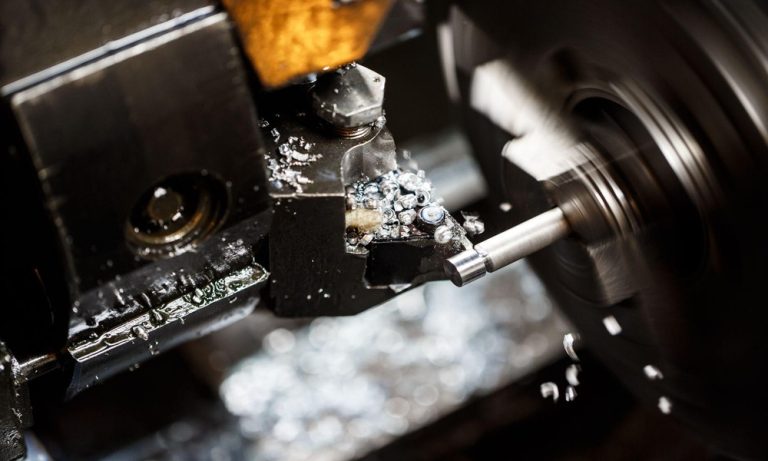
Cutting Tools: Inserts, drills, and end mills made of hardmetal are used to machine engine blocks, cylinder heads, transmission cases, and shafts from tough steels and alloys. They enable faster speeds, longer tool life, and superior finish quality.
Forming Tools: Hardmetal dies and punches are essential for stamping body panels, chassis components, and other parts with consistent precision over millions of cycles. - The Powertrain: Heart of Performance and Efficiency
Inside the engine and transmission, components face immense friction, pressure, and heat.
Fuel Injection Systems: Nozzles in diesel and modern direct-injection gasoline systems use hardmetal tips to withstand high-pressure fuel erosion and deliver precise fuel atomization for cleaner combustion.
Valve Seats & Guides: These critical engine components are often hardmetal-coated or made from specialty grades to resist wear from constant valve pounding, extending engine life.
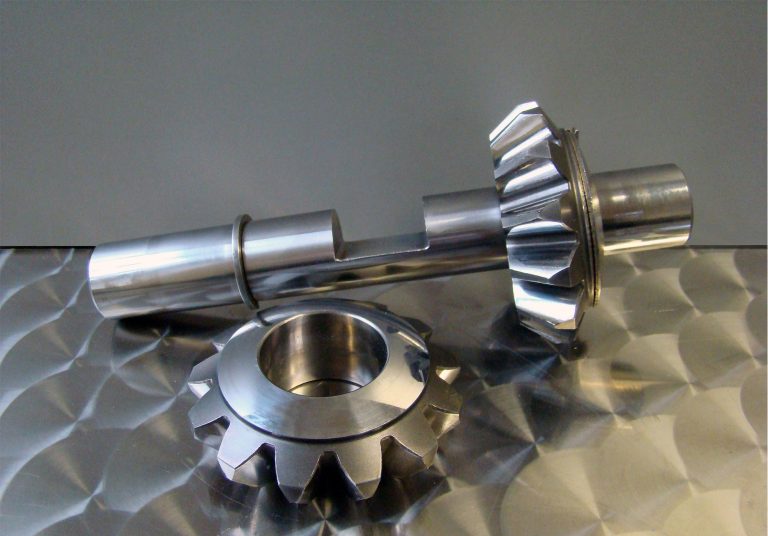
Transmission Components: Synchro rings, clutch plates, and bushings benefit from hardmetal coatings to manage the friction and wear in increasingly compact and powerful transmissions. - The Future: Electric Vehicles (EVs) and Sustainability
The shift to EVs isn’t eliminating hardmetal—it’s changing its role.
Battery Manufacturing: Cutting and slitting electrodes for lithium-ion batteries requires ultra-sharp, wear-resistant hardmetal blades to prevent contamination and ensure precision, directly impacting battery performance and safety.
Electric Motor Components: Hardmetal is used in certain wear-resistant parts within motors and in the machining of high-strength rotor shafts.
Lightweighting: To increase range, automakers use advanced high-strength steels and aluminum alloys, which are more difficult to machine. Hardmetal tools are essential to process these materials economically. - Everyday Durability and Safety
Tire Studs: In winter climates, hardmetal tips provide the durability needed for ice traction.
Bearings and Seal Rings: Applications requiring extreme wear resistance utilize hardmetal to prevent failure and reduce maintenance.
Why Hardmetal is a Driving Force for Automotive OEMs
- Cost Efficiency: While hardmetal tools have a higher upfront cost, their unparalleled longevity reduces machine downtime for tool changes and lowers cost-per-part manufactured.
2. Precision & Quality: Consistent tool performance ensures dimensional accuracy and superior surface finishes on critical components, leading to better performance and tighter assembly tolerances.
3. Material Innovation Enablement: It allows manufacturers to work with the newer, stronger, lighter materials required for modern vehicle design.
4. Sustainability: By dramatically extending tool and component life, hardmetal reduces waste. Furthermore, the tungsten carbide within is a highly recyclable material, supporting circular economy goals in manufacturing.
The Road Ahead
As the automotive industry pushes toward greater efficiency, electrification, and autonomy, the demands on materials will only intensify. Hardmetal formulations are also evolving—with new grades, binder technologies, and coatings (like PVD and CVD) being developed to meet specific challenges, such as machining composite materials or reducing cobalt dependency, for example, Low-Cobalt Hard Metal.
Conclusion:
Hardmetal is far more than just a industrial tooling material; it is a fundamental enabler of automotive innovation. From the factory floor to the heart of the engine, and into the future of electric mobility, its unique properties ensure that vehicles are built better, last longer, and perform more efficiently. It truly is the invisible engine powering the industry forward.