

Planning a move for high-precision equipment starts with an uncomfortable fact: the most expensive outcome is rarely a visible accident. It’s a tool that arrives looking perfect, gets installed, and then fails qualification because something shifted by a fraction of a millimetre somewhere between the loading dock and the destination. Requalification costs time and money, and without transit data nobody can establish where it happened or who carries responsibility. Three risk factors govern most of that exposure when arranging machinery transport in Singapore for aerospace and precision components.
1. Shock and Vibration Exposure Across Every Stage of the Journey
Precision equipment typically has defined limits for shock and sustained vibration, often specified by the manufacturer. Exceeding them can disturb alignment, affect calibration, or damage internal components without producing any external evidence.
The exposure accumulates across the whole chain rather than concentrating in the road journey. Lifting onto a trailer, transferring between vehicles, forklift movement in a warehouse, loading into an aircraft or container, and the final positioning at destination each present opportunities for a shock event, and several of them occur outside the direct control of whoever arranged the transport.
Managing this means specifying air-ride suspension where road transport is involved, isolation mounting between equipment and skid, minimising the number of transfers in the routing, and fitting shock and tilt indicators alongside data loggers that record conditions continuously. The recorded data matters as much as the prevention, because it converts a dispute about whether damage occurred in transit into a question that the log answers.
2. Rigging Competency and the Quality of the Lift Plan
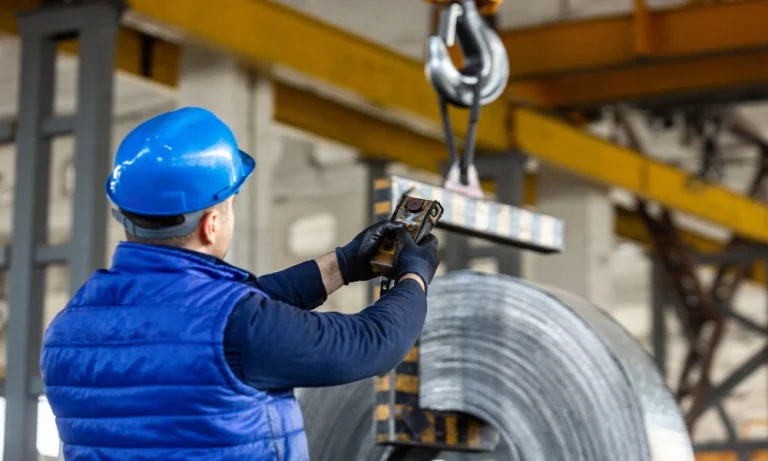
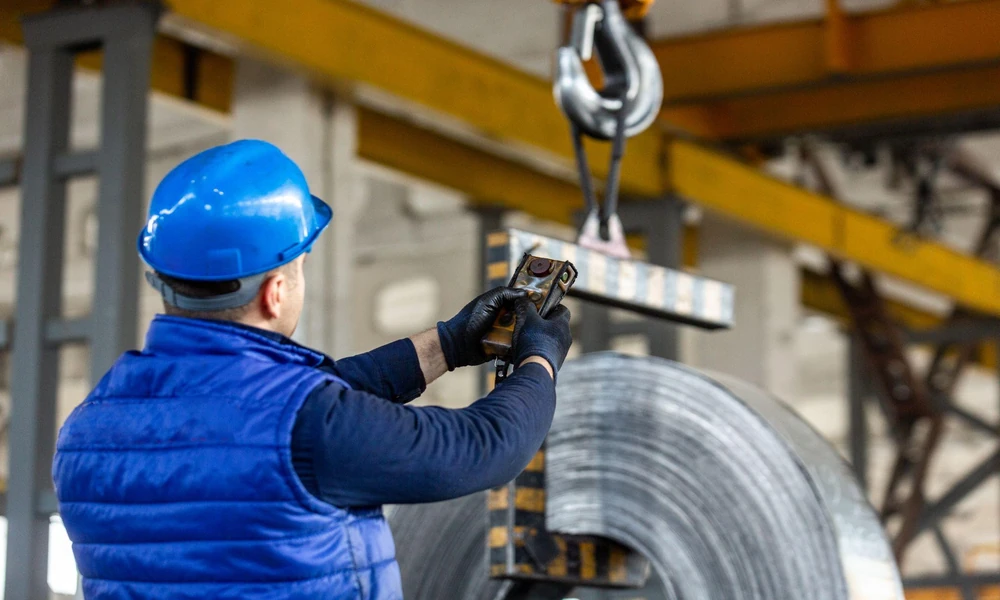
Most incidents involving heavy precision equipment happen during lifting and positioning rather than while moving. The equipment is at its most vulnerable when suspended, being turned, or being set down into a confined space.
Assessing a rigging contractor means looking past general experience. Ask whether they have handled equipment of this weight and sensitivity before, what lift plan they propose, how they’ve established the centre of gravity, what lifting points they intend to use and whether the manufacturer designated them, and how they’ll manage orientation limits if the equipment cannot be tilted. An aerospace logistics provider in Singapore accustomed to this category will produce a written lift plan and method statement before the day rather than assessing on arrival, and the presence or absence of that document is usually the clearest indicator of how the move will go.
3. Route Survey and Destination Access Constraints
A move that works perfectly until the final fifty metres is still a failed move. Door heights, corridor widths, floor loading capacity, lift dimensions, turning radii, ramp gradients, and overhead obstructions all determine whether equipment can physically reach its position.
Route surveys at both origin and destination, conducted before the transport method is fixed, establish these constraints while there’s still time to select equipment around them. Discovering at destination that a doorway is fifty millimetres too narrow means the equipment either waits while a structural opening is made or returns to storage, both of which cost considerably more than the survey would have.
| Consideration | Specialist Precision Transport | General Heavy Haulage |
| Shock management | Isolation mounting, air-ride, continuous logging | Standard restraint, limited monitoring |
| Rigging documentation | Written lift plan and method statement in advance | Often assessed on the day |
| Route survey | Conducted at both ends before method selection | Frequently limited to access confirmation |
| Cost | Higher, reflecting equipment and planning | Lower upfront |
| Exposure if something goes wrong | Recorded data supports rapid resolution | Cause often unestablishable |
Deciding How Much Protection the Equipment Actually Warrants
Not every item in a consignment needs the full specification, and applying it uniformly is expensive. The practical approach establishes each item’s actual shock and vibration tolerances from the manufacturer, then specifies accordingly, with the most sensitive items receiving isolation and monitoring while robust sub-assemblies travel under conventional restraint.
That requires sharing real tolerance data with the transport provider rather than dimensions and weight alone. Providers who ask for it are planning against the equipment’s requirements; those who quote without it are planning against its size, which is a different and less useful thing.
Contact Sin Chew Woodpaq to discuss shock tolerances, rigging requirements, and route constraints before finalising your next precision equipment move.