
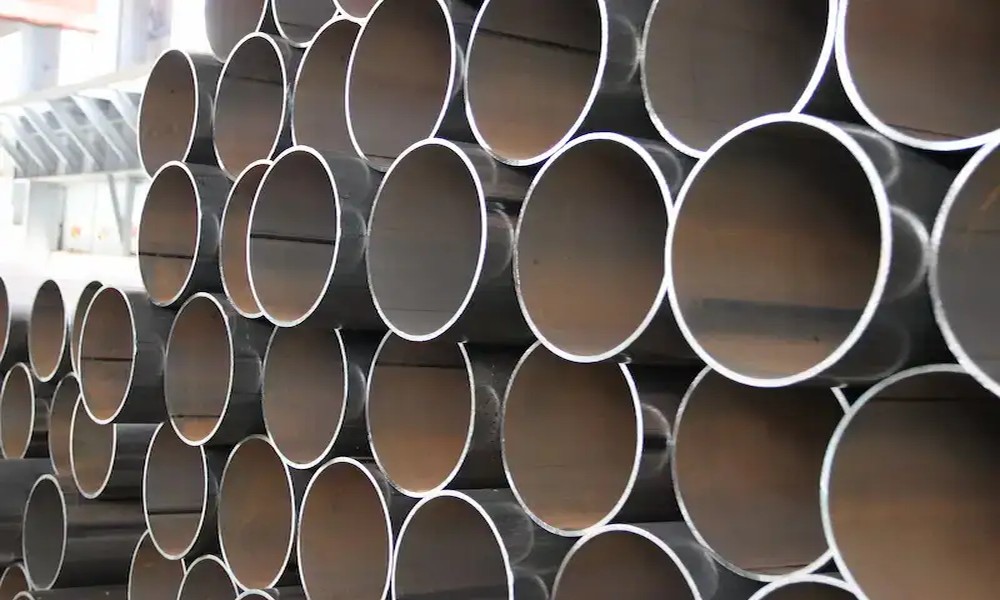
In the world of construction, few elements are as critical, or as underappreciated, as the humble pile. Tuyau de battage, or steel pipe piles, have quietly transformed how builders create stable, long-lasting foundations, whether for soaring skyscrapers or massive bridges. While foundation work once relied on stone, timber, or primitive cast-iron cylinders, the evolution of tuyau de battage has redefined what structural security means in modern engineering.
Origins and Early Use of Tuyau de Battage in Foundation Work
Long before steel pipes entered the picture, foundations were built on compacted stones, wooden pilings, or brick footings. These traditional techniques were limited by the materials’ susceptibility to decay and their inability to support increasingly ambitious structures. When tuyau de battage was introduced, initially fashioned from riveted or welded steel segments, it was nothing short of revolutionary. Early applications in riverbank protection and bridge construction demonstrated their potential, though the initial pipes were heavy and prone to rust.
The first decades were a period of experimentation. Issues such as inconsistent steel quality and basic manufacturing methods often led to uneven performance. Over time, however, persistent innovation began to resolve these shortcomings.
Technological Advancements Improving Tuyau de Battage
Modern tuyau de battage are a far cry from their early ancestors. Advances in steel production have resulted in pipes with precise wall thicknesses and enhanced strength. The development of seamless and welded variants offers engineers flexibility to select just the right product for specific load-bearing scenarios.
Recent strides in corrosion resistance, such as galvanization, epoxy coatings, and high-grade alloys, have made these steel pipes nearly impervious to the harshest environmental conditions. Durability, once a lingering question, is now a firm selling point.
Modern Applications in Strong Foundation Construction
Today, tuyau de battage form the backbone of countless foundation systems, bearing the weight of buildings, bridges, and infrastructure. Their ability to transfer loads deep into stable soil or rock layers ensures structures remain level and secure, even on challenging terrain.
Engineers increasingly pair tuyau de battage with micropile systems for specialized projects like retrofitting existing buildings or supporting high-rise towers on compact urban sites. The adaptability extends further: these pipes are now standard in roadbed construction, tunnel entry stabilization, and large-scale drainage, where reliability under heavy stress is mandatory.
Advantages Over Alternative Foundation Materials
Compared to concrete, wood, or cast-iron, steel pipe piles offer unrivaled structural strength and longevity. Steel’s resistance to deformation under load protects against shifting and settlement, common causes of costly foundation failures.
Cost-effectiveness is another crucial factor. The availability of surplus and recycled pipes allows builders to source high-quality materials for less, minimizing both expense and environmental impact. Their versatility shines in applications ranging from deep foundations in soft soils to temporary shoring during excavation.
Supply Chain Evolution and Market Accessibility
With the construction industry’s growth, sourcing the right tuyau de battage used to mean juggling multiple vendors and a maze of specifications. The emergence of specialized distributors, such as tuyau de battage Stealth Pipe and Steel, simplified the process. These suppliers maintain extensive inventories, offer customization services (like cutting, welding, and coating), and guarantee materials meet strict quality standards.
The centralized availability and expert support streamline project logistics. Quick access to the correct pipes can mean the difference between on-time completion and costly delays.
Environmental and Safety Considerations
Construction’s environmental footprint is under scrutiny, and steel pipe piles offer a compelling case for sustainability. Many projects now use surplus or reclaimed pipes, reducing demand for new production and extending the lifecycle of valuable materials.
Safety, too, is paramount. The consistency and strength of high-quality tuyau de battage lower the risk of on-site failures. Meeting regulatory standards is non-negotiable, and top suppliers ensure their materials and services keep projects compliant with evolving codes and best practices.
Future Trends and Innovations
Innovation never stands still. Advances in protective coatings and the use of composite materials promise even greater durability and resistance to corrosion. Automation is reshaping installation, with precision-guided driving equipment improving accuracy and reducing labor risks. As demands on infrastructure evolve, tuyau de battage are finding roles in new fields, from renewable energy installations to retaining walls and beyond.
Maximizing Project Success with Tuyau de Battage
Choosing the right pipe is equal parts science and collaboration. It starts with a clear specification of diameter, wall thickness, and steel grade, matched perfectly to project loads and soils. Working closely with suppliers and contractors ensures the best fit and performance.
Case studies abound of projects where the smart use of steel pipe piles delivered outstanding results. Whether saving historic buildings from subsidence or enabling superstructures on unstable ground, tuyau de battage continue to prove their value, quietly, reliably, and with unmatched strength.