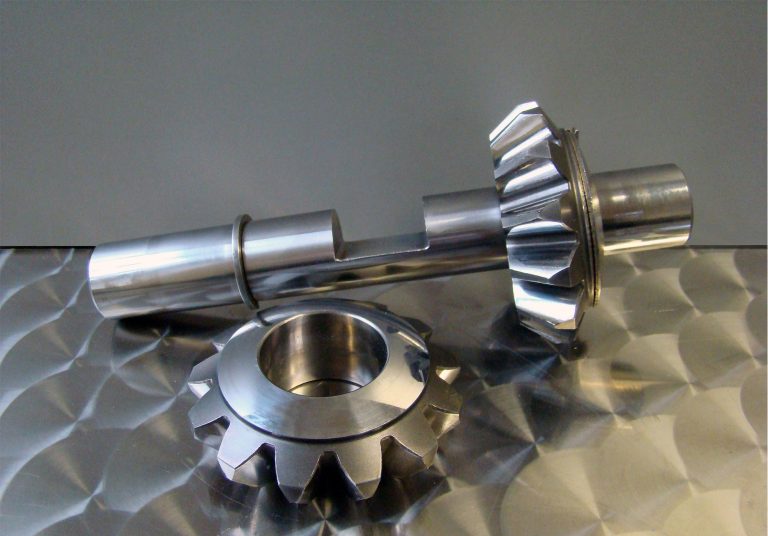


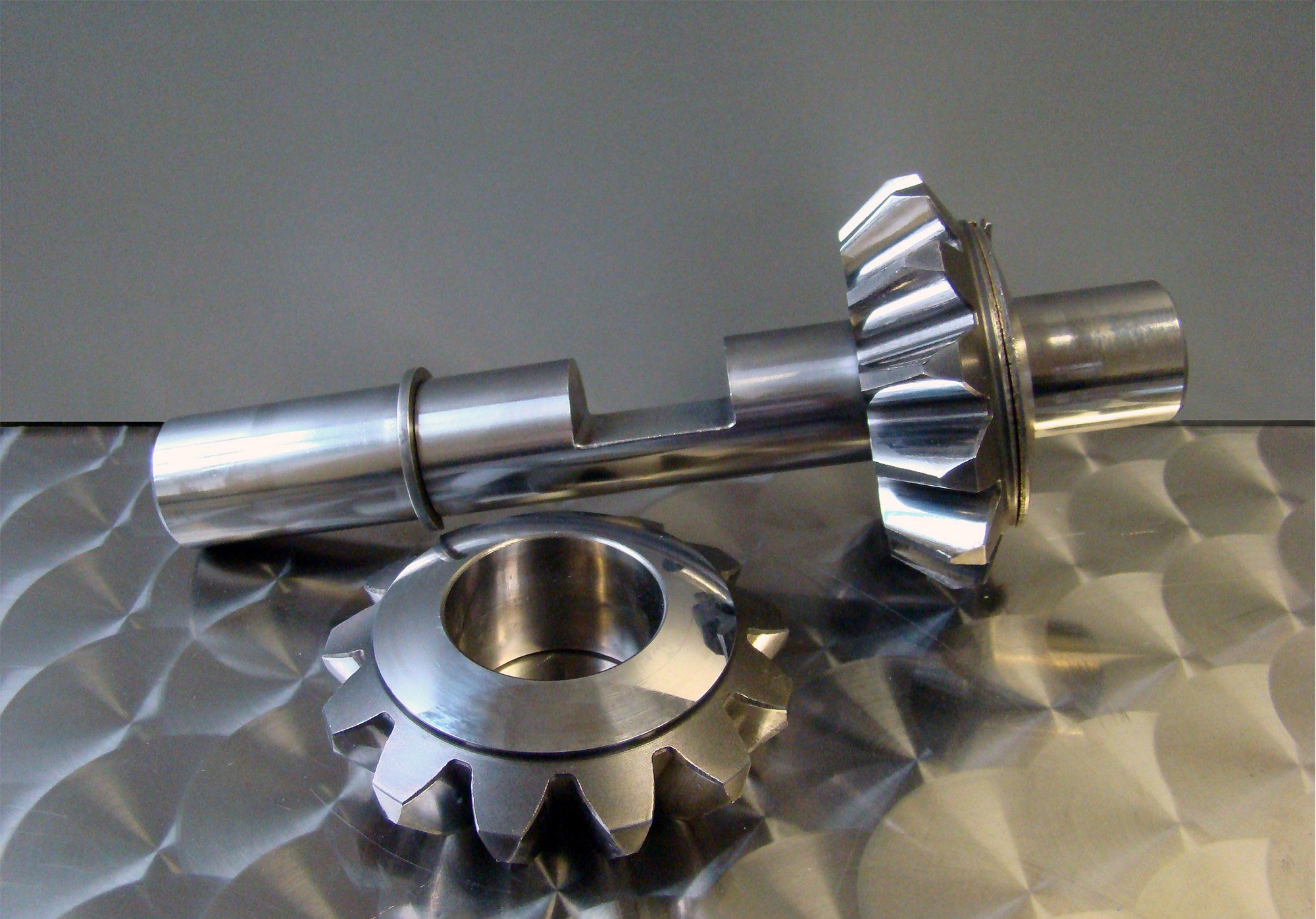
Bearings, bushings, shafts, gears, and other cylindrical components are essential to countless mechanical systems. These parts are commonly designed to fit closely together, allowing forces and movement to be transferred reliably throughout an assembly.
However, manufacturing tolerances, wear, vibration, and demanding operating conditions can create challenges when maintaining a secure cylindrical fit. Even very small gaps between mating components may allow unwanted movement that can eventually affect the performance of an assembly.
Retaining compounds provide a practical solution. These specialised adhesives fill the microscopic spaces between cylindrical metal components and cure to create a strong connection. High-strength, low-viscosity formulations are particularly useful where close-fitting parts require a durable bond.
What Is a Retaining Compound?
A retaining compound is an adhesive designed primarily for bonding cylindrical fitting parts.
Typical applications include securing:
- Bearings into housings
- Bushings into assemblies
- Gears onto shafts
- Pulleys onto shafts
- Rotors
- Sleeves
- Other cylindrical metal components
Many retaining compounds use anaerobic curing technology. This means the adhesive remains liquid while exposed to air but cures after being confined between closely fitted metal surfaces where oxygen is excluded.
Once cured, the material fills the available space between the components and creates a strong bond throughout the joint.
Understanding Loctite 601
loctite 601 is a green, high-strength anaerobic retaining compound with low viscosity and a medium cure speed. It is intended for applications requiring a strong, permanent bond between close-fitting cylindrical components.
Its low-viscosity formulation allows the material to flow into relatively small spaces between mating parts. Once confined between metal surfaces, it cures to form a strong connection.
This makes it particularly relevant for applications where bearings, bushings, shafts, and similar components need to remain securely positioned during operation.
Why Cylindrical Assemblies Need Secure Bonding
Mechanical components such as bearings and bushings are often subjected to demanding forces.
During operation, an assembly may experience:
- Continuous vibration
- Rotational forces
- Mechanical shock
- Temperature changes
- Repeated loading
- High operating speeds
If a cylindrical component begins moving within its housing or around its shaft when it should remain fixed, wear can develop.
Even relatively small amounts of unwanted movement can gradually affect dimensional accuracy and mechanical performance.
A suitable retaining compound helps prevent this movement by bonding across the cylindrical interface rather than relying entirely on mechanical interference.
The Importance of Low Viscosity
Viscosity describes a liquid’s resistance to flow.
For close-fitting cylindrical assemblies, a low-viscosity adhesive can be particularly useful because it can penetrate narrow spaces between mating surfaces.
A thicker material may be better suited to larger gaps, while a low-viscosity formulation is appropriate where components have been manufactured with relatively tight tolerances.
The correct viscosity should therefore be selected according to the dimensions and requirements of the assembly rather than simply choosing the strongest available adhesive.
High Strength for Permanent Assemblies
Some mechanical components are designed to be removed regularly, while others are expected to remain permanently positioned.
High-strength retaining compounds are particularly appropriate for the second category.
Once properly cured, they can create a durable bond capable of resisting the forces acting on the cylindrical assembly.
This can be useful in equipment where component movement could reduce reliability or cause premature wear.
However, because high-strength formulations are intended for more permanent assemblies, maintenance requirements should be considered before application.
Improving Load Distribution
One of the important advantages of liquid retaining technology is the way it fills microscopic spaces within a joint.
Mechanical fits may create contact at particular points around the surfaces of the components. A liquid retaining compound can spread throughout the available interface before curing.
This creates a bonded connection across a broader surface area.
More even load distribution can be beneficial when components experience rotational or mechanical forces during operation.
It also demonstrates why correct adhesive coverage and application technique are important.
Applications for Bearings
Bearings are among the most common examples of cylindrical components used in machinery.
Depending on the design, a bearing may need to be securely retained inside a housing or positioned on a shaft.
If unwanted movement develops between the bearing and its mounting surface, the surrounding component can experience wear.
A retaining compound can fill small spaces between the bearing and housing and help maintain a secure connection.
The exact product required depends on factors such as clearance, operating temperature, load, materials, and whether future removal will be necessary.
Securing Bushings
Bushings provide support and help control movement between mechanical components.
Like bearings, they depend on a suitable fit within their surrounding assemblies.
A retaining adhesive can help secure a bushing inside its housing and prevent unwanted movement during normal operation.
This may be particularly useful in industrial equipment subjected to vibration or repeated mechanical loading.
Shaft and Hub Assemblies
Shafts frequently connect with gears, pulleys, rotors, and other cylindrical components.
Traditional assembly methods may rely on interference fits, keys, splines, or other mechanical features.
Retaining compounds can supplement suitable mechanical designs by bonding the mating cylindrical surfaces.
The adhesive fills microscopic clearances and creates a connection across the joint interface after curing.
For appropriate applications, this can contribute to reliable torque transmission and resistance to unwanted movement.
One-Part Application
Practicality is important in manufacturing and maintenance environments.
A one-part retaining compound does not require separate adhesive components to be measured and mixed before application.
This simplifies preparation and reduces the possibility of errors associated with incorrect mixing ratios.
The product can be applied directly to the appropriate mating surfaces before assembly, following the manufacturer’s technical instructions.
For repeated production tasks, a straightforward application process can also help improve consistency.
Surface Preparation Matters
The performance of a retaining adhesive depends heavily on proper preparation.
Surfaces should be inspected and cleaned according to the product requirements before application. Oil, grease, dirt, corrosion, and other contamination may interfere with bonding.
Technicians should also consider the materials being joined.
Anaerobic adhesives cure through interaction with metal surfaces when air is excluded, but cure behaviour can differ depending on the substrate.
Following the relevant technical guidance helps ensure the adhesive develops its intended properties.
Cure Time and Operating Conditions
A retaining compound does not necessarily reach full strength immediately after the components are assembled.
Fixture time refers to the period required for the assembly to develop sufficient initial strength for handling. The referenced product has a fixture time on steel of approximately 25 minutes, although actual curing behaviour can depend on factors such as materials, temperature, and gap size.
The product is also specified for service temperatures from approximately -55°C to +150°C.
These characteristics make operating conditions an important consideration when choosing a retaining compound.
Retaining Compounds and Traditional Mechanical Fits
Adhesive retaining technology does not mean that dimensional tolerances and sound mechanical design are no longer important.
Instead, retaining compounds can complement properly engineered assemblies.
They may help fill microscopic gaps, distribute loads across mating surfaces, seal the interface, and resist movement.
Engineers should consider the entire assembly, including loads, clearances, temperatures, substrates, servicing requirements, and applicable engineering standards before selecting a bonding method.
Common Application Mistakes
One mistake is assuming that every cylindrical joint requires the same adhesive.
Gap size, viscosity, strength, temperature resistance, and disassembly requirements can vary significantly between applications.
Applying too much material is another misconception. More adhesive does not automatically produce a better joint.
Poor surface preparation can also reduce performance.
Finally, equipment should not be subjected to full operating loads before the adhesive has achieved the required cure.
Conclusion
Retaining compounds provide an effective way to secure cylindrical components such as bearings, bushings, gears, sleeves, and shafts. By flowing into microscopic spaces between mating metal surfaces and curing within the joint, they create a strong connection that can help resist unwanted movement.
High-strength, low-viscosity formulations are particularly useful for close-fitting components where a durable, permanent bond is required. Their ability to fill small gaps and bond across the joint interface can complement traditional mechanical fitting methods and improve assembly reliability.
Successful application still depends on appropriate product selection, surface preparation, correct assembly procedures, and adequate curing time. When these factors are properly considered, retaining compounds can provide a dependable solution for cylindrical assemblies across manufacturing, maintenance, automotive, aerospace, and general industrial applications.