


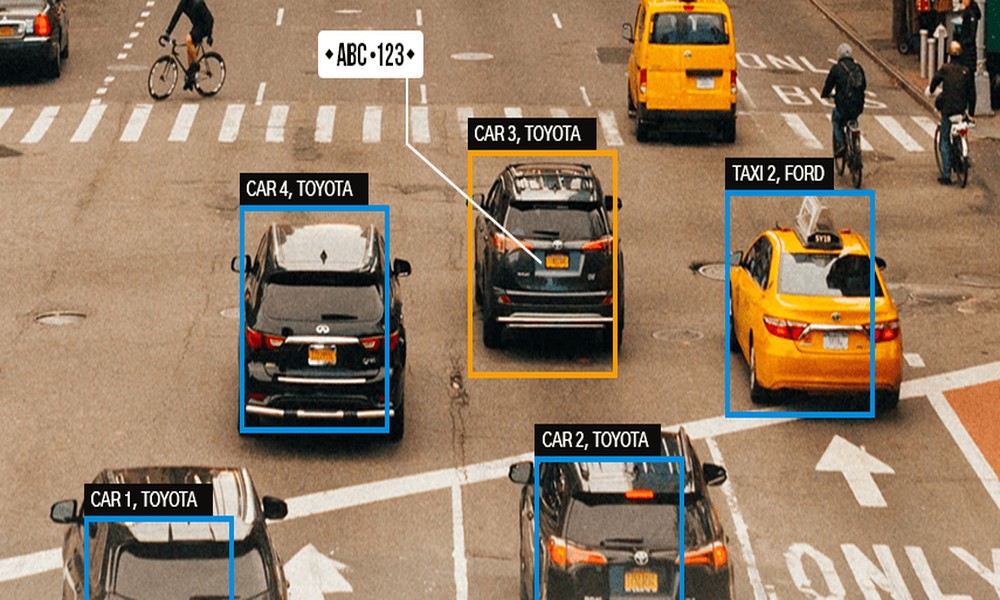
You notice it most at peak times: shift changes, lots of suppliers arriving at once, or an open day. That’s when you want vehicles to keep moving and the gate system to immediately understand who is allowed through and who isn’t. So make the choice practical: which exceptions are you guaranteed to have, and how do you want those handled without extra desk work? In solutions like Nedap Identification Systems vehicle access control, you’ll usually end up with a tag, license plate recognition, or a combination.
Don’t start with the technology-start with your exceptions
What makes access smooth or sluggish often comes down to the exceptions: who’s allowed in today, who isn’t, and how quickly you can change that. If you set this up tightly in advance and define who manages it, traffic flow stays stable and you don’t have to improvise when it gets busy.
At Nedap, we deliberately choose an approach where management and exceptions are taken just as seriously as the hardware at the gate, because your throughput often depends on what happens in your authorization list.
Tags and transponders
Tags or transponders are especially convenient if you have many fixed vehicles and you want drivers to pass through without doing anything. The tag is recognized automatically, so no one has to stop to get a license plate “properly in view” or scan something.
The benefit comes from tight, controllable management. Make sure you have this in place:
– Issuing and collecting are defined, including registration (so you can trace what belongs where)
– If a tag is lost or a vehicle changes, the tag can be revoked and replaced immediately (so old rights don’t linger)
– Tags that are no longer in use don’t remain active in your authorizations (so they don’t grant access by accident)
– Passing tags around becomes visible or manageable (for example, by knowing which tag is linked to which vehicle or team)
– Temporary authorization with an end date is possible (so it doesn’t become open-ended)
License plate recognition: convenient for visitors, but more sensitive in real life
License plate recognition is often useful for temporary access: the system recognizes the vehicle by plate within a time window, without issuing or collecting anything. That saves work for visitors, suppliers, and vehicles that change frequently.
In practice, it comes down to what the camera can see. If a plate is less readable, you want to quickly see where it goes wrong and have a clear process to handle exceptions fast. Signals include: the same car has to approach again more often, the barrier stays closed even though the plate is on the list, or your team gets messages like “it’s not picking it up.”
When do you choose which-and when do you combine?
If you mainly have fixed vehicles and you want access to become routine without extra actions, a tag is often a good fit. If you have lots of changing vehicles and you want to authorize quickly without physical carriers, license plate recognition is the more obvious choice.
A combination works well if you want to let regular users through as fast as possible and also keep temporary access easy.
Finally: make management and logging just as important as the gate
The gate is what everyone sees, but the calm comes from day-to-day operation: who is allowed to change authorizations, how quickly changes are applied, and how easily you can look back and find what happened. If that’s solid, the system actually helps your team during peak moments: less searching, fewer “where did it go wrong?” moments, and faster throughput.
Our experts recommend designing this in from the start, so access doesn’t just work technically, but stays practical too. Put your traffic flows and exceptions next to the user experience you want: where do you want maximum throughput, and where do you actually want an extra checkpoint?