
Holidays offer a window into the soul of a country. They reveal what a society values, remembers, and celebrates together. In Central Europe, Slovakia holidays play an important role in preserving history, strengthening cultural identity, and maintaining traditions that have been passed down for generations. These special days are more than time off from work. They are moments of reflection, connection, and shared experience.
Understanding how holidays are observed in Slovakia helps explain the country’s strong sense of heritage and its balance between tradition and modern life.
The Role of Holidays in Slovak Society
Holidays in Slovakia are closely tied to historical events, religious traditions, and seasonal rhythms. For many people, they provide structure to the year and opportunities to slow down and reconnect with family. Even in cities, holiday traditions often reflect rural roots, where agricultural cycles once shaped everyday life.
These celebrations also play an educational role. Through public observances, ceremonies, and customs practiced at home, younger generations learn about national history and cultural values in a natural and engaging way.
National Holidays and Historical Memory
Several Slovakia holidays commemorate key moments in the country’s history. These days highlight struggles for independence, political change, and the development of national identity.
One of the most significant national holidays marks the creation of the modern Slovak state. This day is observed with official ceremonies, cultural programs, and public gatherings. While the tone is respectful rather than festive, it serves as an important reminder of sovereignty and self-determination.
Another national holiday honors a historic uprising that symbolizes resistance and courage. Commemorations often include memorial services and educational events. These observances encourage reflection on the past and reinforce values such as freedom and resilience.
Through these national holidays, history remains a living part of public life rather than something confined to textbooks.
Religious Holidays and Their Importance
Religion has had a strong influence on Slovak culture, and this is clearly reflected in many Slovakia holidays. Christian celebrations, especially those linked to the church calendar, are widely observed and deeply rooted in family traditions.
Christmas is one of the most meaningful holidays of the year. Preparations begin well in advance, with homes decorated and traditional foods carefully planned. Christmas Eve is especially important, often centered around a shared meal and symbolic customs meant to bring good fortune and harmony.
Easter is another major religious holiday. It combines church observances with folk traditions that reflect older cultural layers. Rituals involving water, greenery, and decorated eggs symbolize renewal and the arrival of spring. These customs may vary by region, but they remain an important part of cultural identity.
Religious holidays in Slovakia often blend faith with folklore, creating celebrations that are both spiritual and communal.
Seasonal and Folk Traditions
Many holidays in Slovakia are connected to the changing seasons. These celebrations reflect the country’s agricultural past and close relationship with nature.
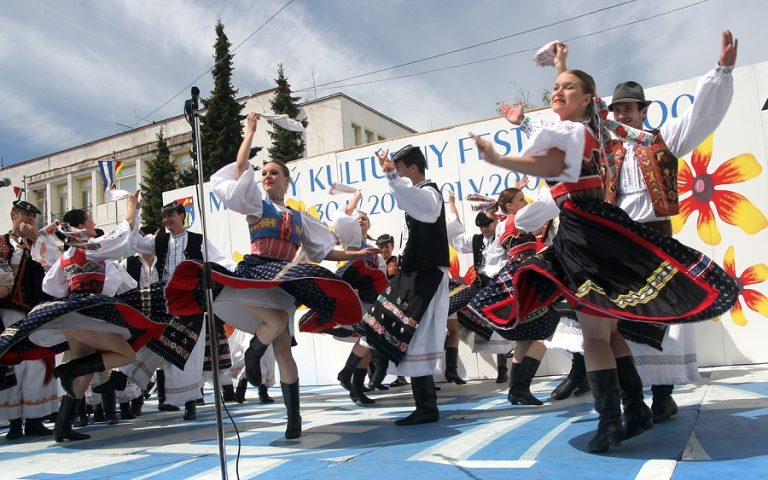
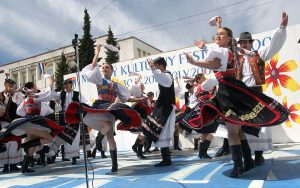
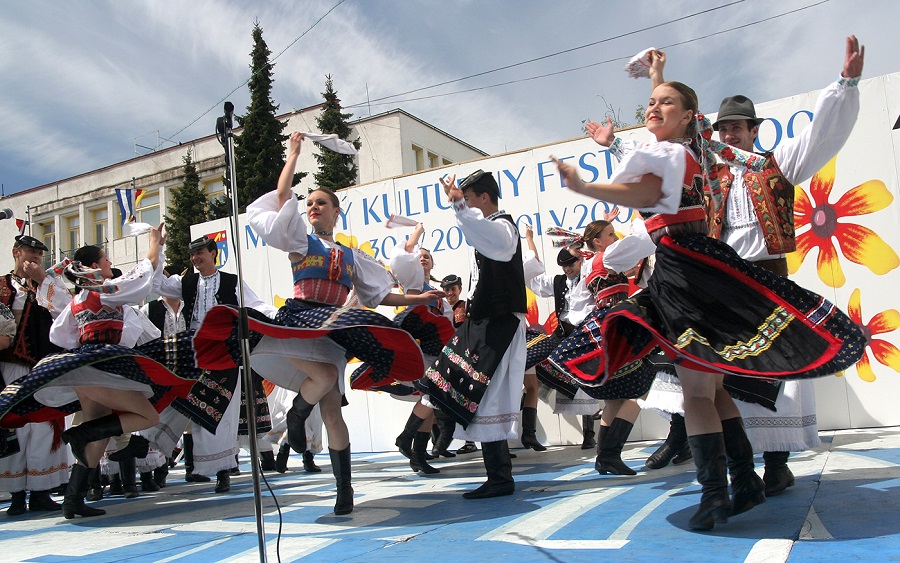
Spring festivals welcome new life and growth after winter. Songs, processions, and symbolic acts are used to mark the transition into warmer months. Summer celebrations often involve outdoor gatherings, music, and traditional dances, especially in rural areas.
Autumn holidays focus on harvest themes and gratitude. They acknowledge the work of farming communities and celebrate abundance before the arrival of winter. These seasonal observances help maintain a sense of continuity with the past, even as lifestyles change.
Cultural Observances and Modern Celebrations
Alongside traditional holidays, modern cultural observances have become more visible. These days may focus on labor, education, or cultural expression and are often marked by public events rather than private rituals.
Labor-related holidays emphasize workers’ rights and social solidarity. While not always celebrated with elaborate customs, they remain part of the public calendar and reflect broader social values.
Cultural festivals celebrating music, crafts, and regional traditions are also common. Although not always official public holidays, they attract wide participation and help keep local customs alive.
How Holidays Are Celebrated Today
Contemporary celebrations of Slovakia holidays reflect a mix of old and new. While some families strictly follow traditional customs, others adapt them to modern lifestyles. Urban residents may attend public events or enjoy holidays more casually, while rural communities often maintain more traditional practices.
Food remains central to nearly every celebration. Holiday meals feature dishes prepared according to long-standing recipes, often associated with specific dates. Sharing food reinforces family bonds and connects people to their heritage.
Public spaces also play an important role. Town squares, churches, and cultural centers host events that bring communities together, especially during major national and religious holidays.
Why Holidays Still Matter
In a fast-moving world, holidays provide necessary pauses. They allow people to rest, reflect, and reconnect with what matters most. For many, holidays offer emotional grounding and a sense of belonging.
Holidays also preserve cultural knowledge. Customs practiced year after year become a form of living history. Through participation, people learn not just what happened in the past, but how those events continue to shape identity today.
For visitors or those learning about the country, Slovakia holidays offer meaningful insight into the traditions and values of Slovakia. They show how history, faith, and everyday life are woven together.
Final Thoughts
Slovakia’s holidays reflect a rich blend of history, religion, and folk tradition. Each celebration, whether solemn or joyful, plays a role in maintaining cultural continuity and strengthening community bonds.
By understanding Slovakia holidays, it becomes clear that these days are not simply about time off. They are about remembering the past, celebrating the present, and passing traditions on to the future.