

Key Takeaways
- A solar panel roof requires structural, electrical, and regulatory readiness before installation begins.
- Early planning reduces delays in solar panel installation projects.
- Roof condition, load capacity, and layout directly affect system performance and safety.
- Electrical infrastructure must support solar integration without overloading existing systems.
- Proper documentation and approvals are essential to avoid compliance issues.
Introduction
Preparing a property for a solar panel roof is not limited to selecting panels and hiring installers. It involves a series of technical checks, adjustments, and administrative steps that ensure the system can be installed safely and operate efficiently. That said, for property owners planning a solar panel installation in Singapore, preparation is a critical phase that determines whether the project proceeds smoothly or encounters costly delays.
This article outlines the practical steps required before installation begins.
Assessing Roof Condition and Structure
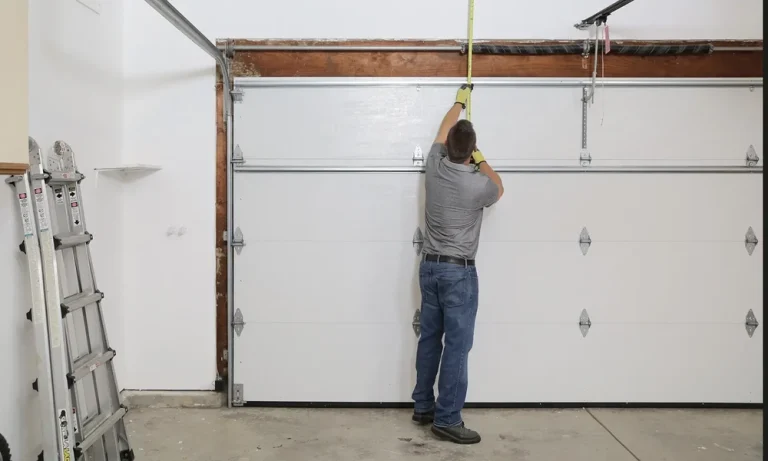
The first step is evaluating whether the existing roof can support a solar panel roof system. Installers typically assess the roof’s age, material, and structural integrity. Older roofs or those with visible damage, such as cracks, leaks, or weakened supports, may require repairs or full replacement before installation. Load capacity is a key factor, as solar panels, mounting systems, and additional hardware add weight. Structural engineers may be consulted to confirm that the roof can handle the load without compromising safety. Skipping this step can lead to long-term issues, including structural stress and water ingress.
Analysing Roof Layout and Sun Exposure
Not all roofs are equally suitable for solar energy generation. Orientation, tilt, and shading must be analysed to maximise output. A solar panel roof performs best when positioned to receive consistent sunlight throughout the day. Nearby buildings, trees, and other obstructions can reduce efficiency by casting shadows. Installers often conduct site surveys using solar mapping tools to determine optimal panel placement. Remember, for properties considering a solar panel installation, urban density makes shading analysis particularly important, as surrounding structures can significantly impact energy generation.
Checking Electrical System Compatibility
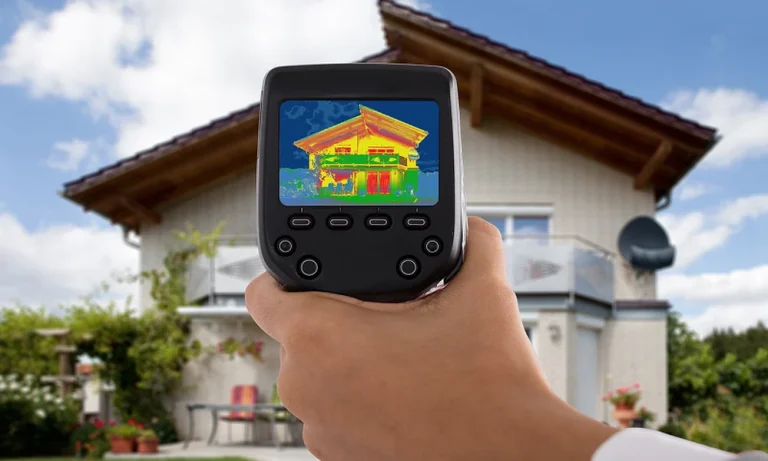
The property’s electrical system must be evaluated before installing solar panels. This evaluation includes the main distribution board, wiring condition, and available capacity. A solar panel roof feeds generated electricity into the building’s system, and outdated or undersized electrical infrastructure may not support this integration. Upgrades such as inverter installation, circuit adjustments, or additional safety components may be required. Ensuring compatibility early prevents system inefficiencies and reduces the risk of electrical faults after installation.
Securing Permits and Regulatory Compliance
Compliance with local regulations is a mandatory step in preparing for solar panel installation. Property owners must ensure that all required permits, approvals, and technical standards are met before work begins. This permit may involve coordination with building authorities, utility providers, and management bodies for strata or commercial properties. Documentation typically includes structural assessments, electrical plans, and installation specifications. Failing to secure approvals can result in project delays, penalties, or forced removal of non-compliant systems.
Planning Installation Logistics and Access
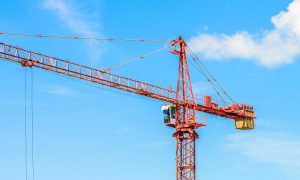
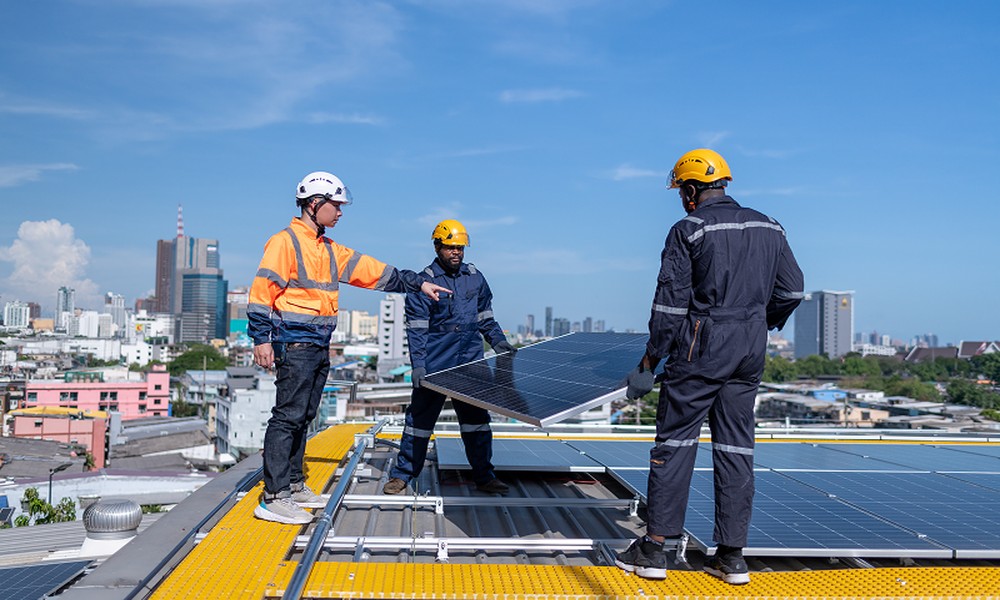
Installation requires physical access to the roof and adequate space for equipment handling. Property owners should consider how installers will transport panels, mounting systems, and tools to the roof safely. A solar panel roof project may require temporary scaffolding, safety barriers, or lifting equipment. In addition, scheduling must account for weather conditions and site accessibility. Proper logistical planning ensures that the installation process is efficient and minimises disruption to occupants.
Conclusion
Preparing a property for a solar panel roof involves more than technical installation. It requires coordinated planning across structural, electrical, and regulatory areas. Remember, for those undertaking a solar panel installation, addressing these factors early reduces risk, improves system performance, and ensures compliance. A well-prepared property allows installers to proceed without delays, resulting in a more efficient and reliable solar energy system.
Contact LHN Energy to start your transition to solar with a team that understands both engineering requirements and local compliance.